
Occupational Testing & Screening / Spirometry Testing
Occupational spirometry for employees exposed to respiratory hazards.
Occupational spirometry helps employers monitor the lung function of employees who work around dust, fumes, chemicals or other respiratory hazards. Without appropriate monitoring, changes in lung function may only become apparent once they begin to affect an employee’s breathing or ability to work.
The assessment measures how effectively a person moves air into and out of their lungs. Workplace spirometry testing can form part of a medical surveillance programme for employees exposed to occupational respiratory risks.


Monitoring lung function over time.
Spirometry can be conducted before or near the start of exposure to establish a baseline. Periodic testing can then help the occupational health practitioner identify changes in the employee’s lung function.
Testing may be relevant in environments involving:
- Mineral or construction dust
- Industrial fumes
- Chemical vapours
- Manufacturing processes
- Mining operations
- Other airborne contaminants
During the test, the employee breathes into spirometry equipment according to instructions from the healthcare professional conducting the assessment. Correct technique and properly maintained equipment are important for reliable results.
The result should be considered alongside the employee’s medical and occupational history, current symptoms and previous lung function tests. Where an unusual result is identified, further clinical assessment may be required.
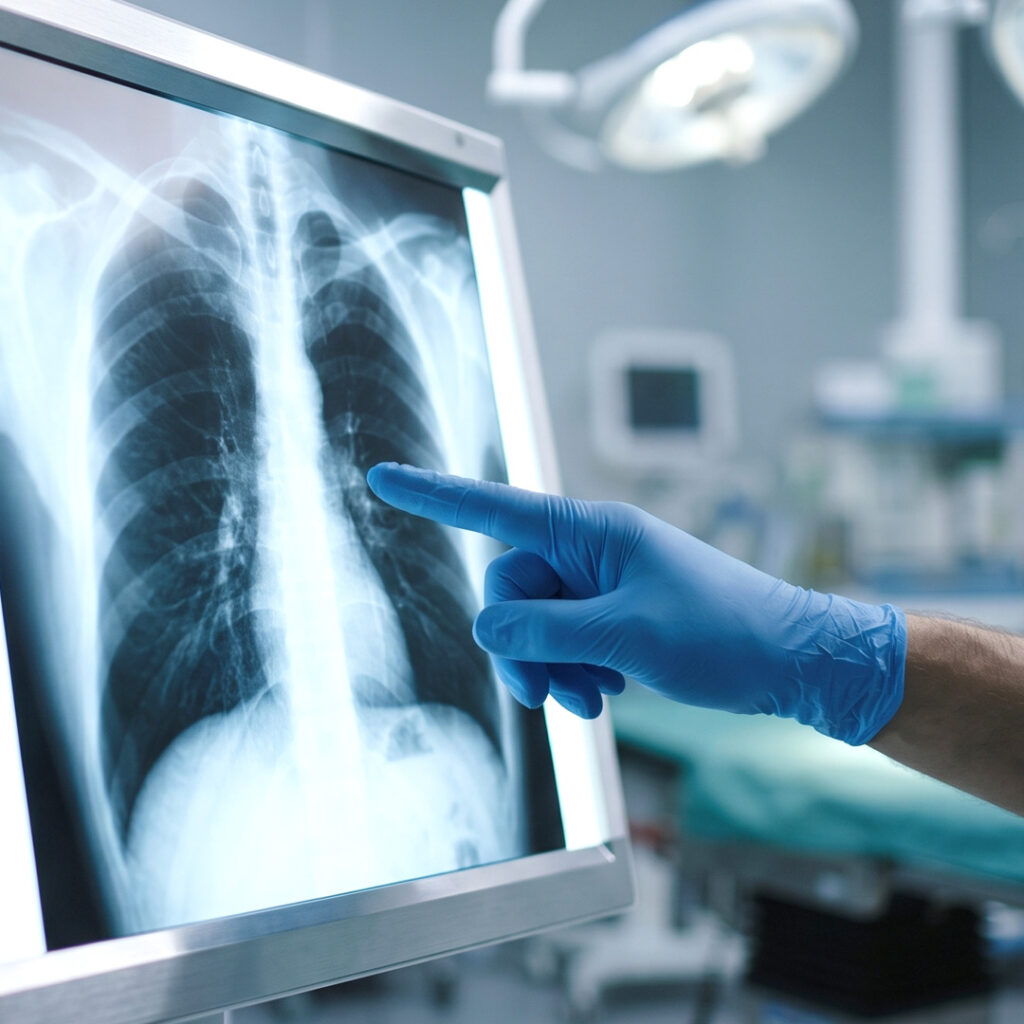

Spirometry Testing on-site or at an IHSS clinic.
Occupational spirometry provides information about employee respiratory health, while workplace risk assessments and occupational hygiene measures address the source of exposure. Together, these processes help employers manage respiratory risks across the workforce.
Our mobile units include lung function equipment, allowing employers to arrange testing at industrial and operational sites. Clinic-based spirometry is also available.